Antibes · Côte d'Azur — 1987 › 2002
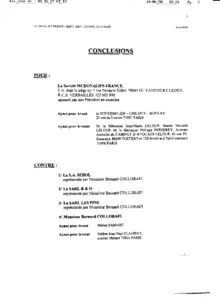
Eleven years of work, three restaurants, twelve million francs — and the story of a franchisee who refused to stay silent, all the way to the Court of Cassation.

The case in one line
Lease-management agreement (location-gérance) in Antibes
A Quick with a drive-through opens 300 m away
McDo responds: “Antibes Nord”
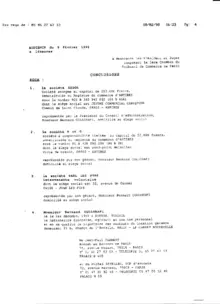
Collapse — the matter goes to court
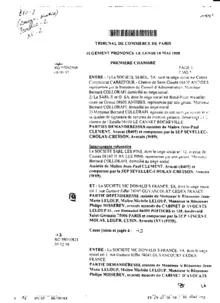
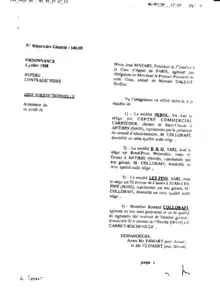
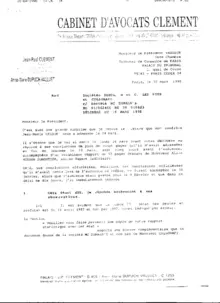
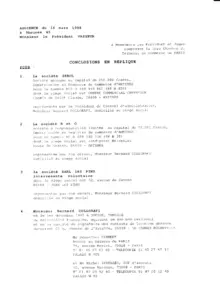
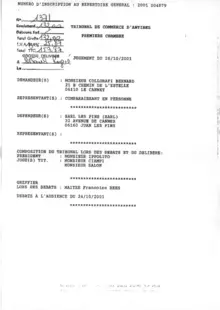
Judgment, termination, eviction
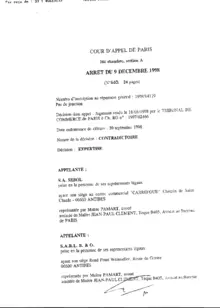
The Court of Appeal rules the termination wrongful
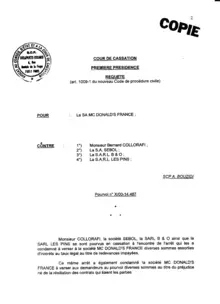
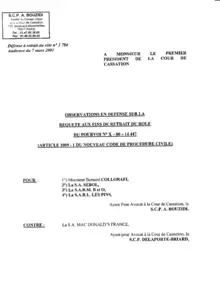
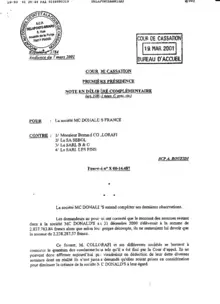
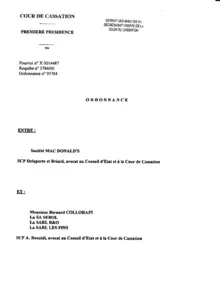
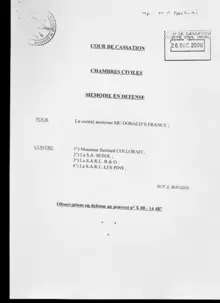
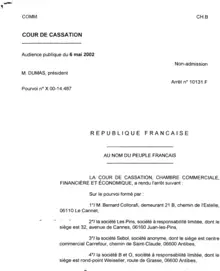
Cassation: appeal not admitted
A word from Bernard Collorafi
Dear internet users, I worked with McDonald's® as a franchisee for nine years, without the slightest problem.
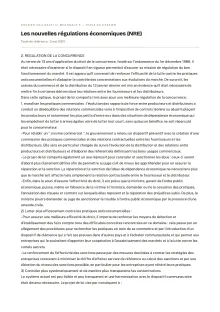
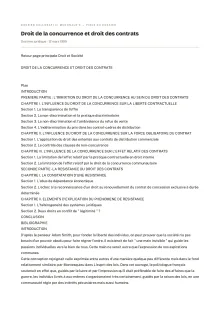
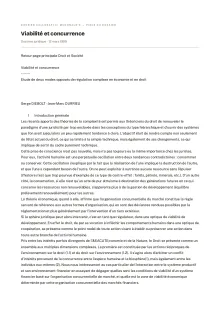
In Antibes, I had turned a restaurant in the Carrefour shopping centre into a showcase establishment for the brand. I devoted eleven years of my life and nearly twelve million francs to it. Then a competitor set up three hundred metres away, and the logic was turned upside down: to counter it, McDonald's multiplied its own restaurants in my catchment area — and let me go under.
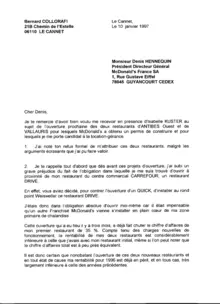
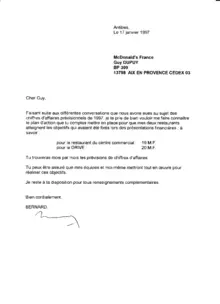
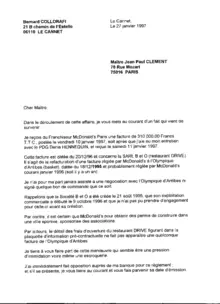
“This termination was wrongful, carried out in bad faith.”
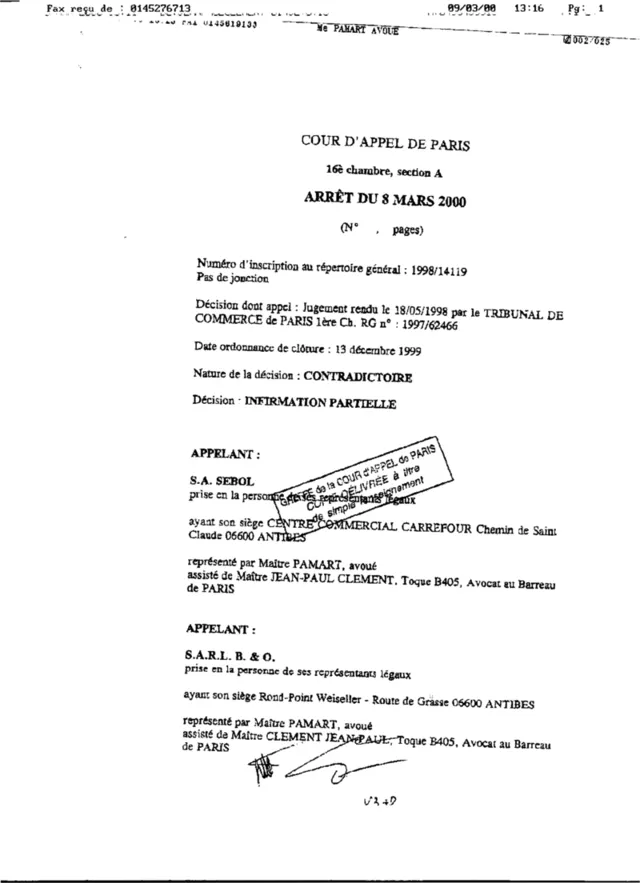
Paris Court of Appeal — 8 March 2000
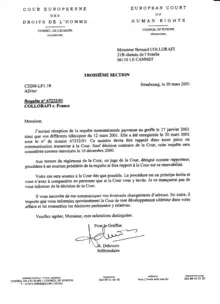
When I could no longer pay fees that had become unsustainable, the clauses were invoked, termination was ordered, then eviction. I refused to stay silent. The Paris Court of Appeal eventually recognised it — but the fight went on all the way to the Court of Cassation, and all the way to Strasbourg.
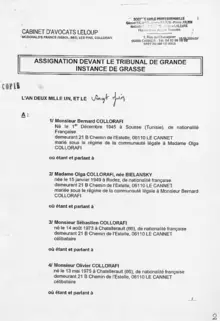
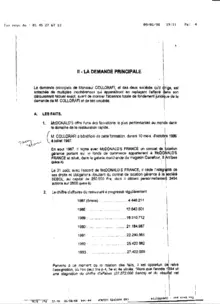
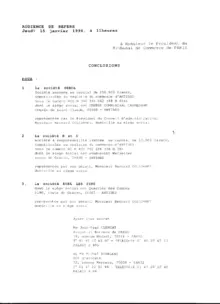
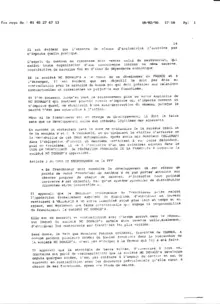
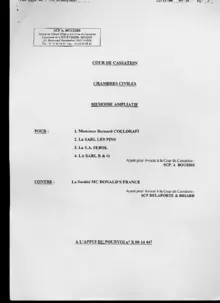
This site brings together all the documents of this fight: rulings, written submissions, expert reports, correspondence, press. Nothing is hidden. You be the judge.
Key document
8 March 2000 · Paris Court of Appeal, 16th chamber A
The Court partially overturns the judgment and holds the termination wrongful: the orders to pay invoking the termination clause were served in bad faith. McDonald's should have proposed an overall plan over eighteen months.
The summary
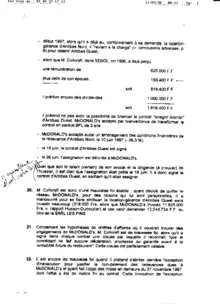
The termination clause is binding on the judge, but it must be applied in good faith (art. 1134 Civil Code). The SEBOL (Carrefour) and B & O (Antibes Nord) restaurants form an economic entity designed in synergy against the competitor Quick. McDonald's, which knew of the losses, should have proposed an overall plan over eighteen months; the one-off amendment was derisory. As the orders to pay were served in bad faith, the termination is wrongful.
But the damage is limited: even with this plan, the companies would have remained loss-making. No loss of a chance of profitability.
Timeline of the case
From the lease-management agreement in Antibes (1987) to the judgment of the Court of Cassation (2002) — the whole case file, in the order of the proceedings.
Cleaned, OCR-processed, dated. Each document opens online in the viewer.
Judgments and orders.
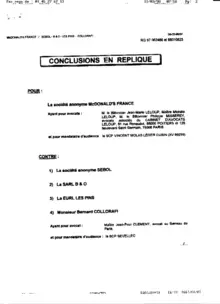
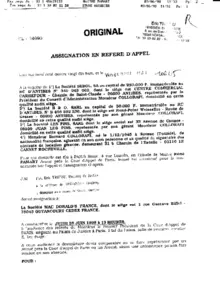
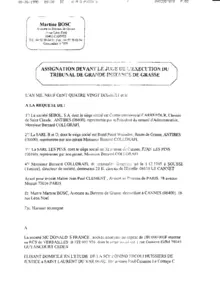
Written submissions, briefs, statements and writs of summons of the parties.
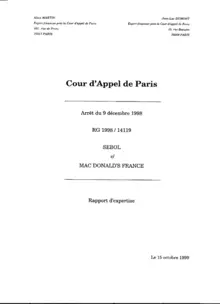
Court-ordered expert assessment and reports.
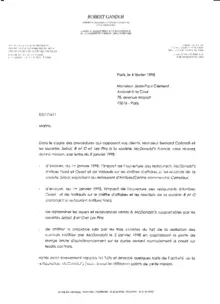
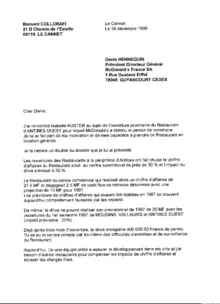
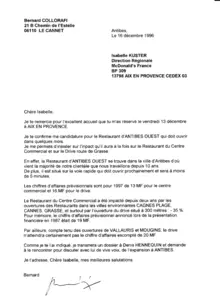
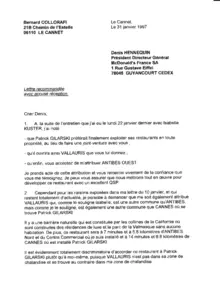
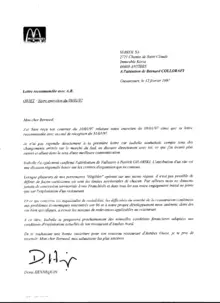
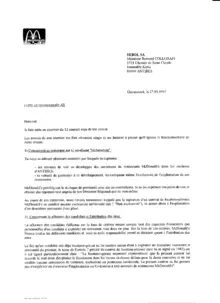
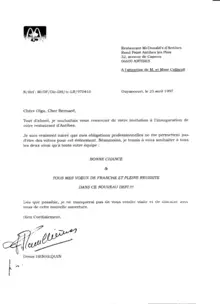
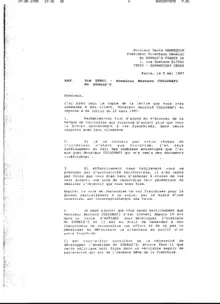
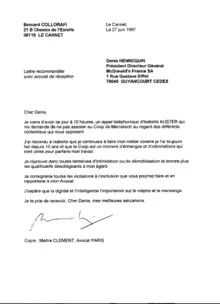
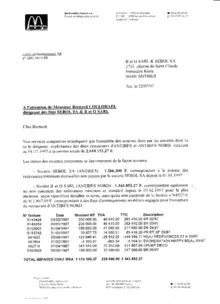
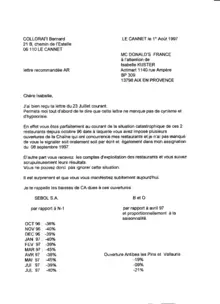
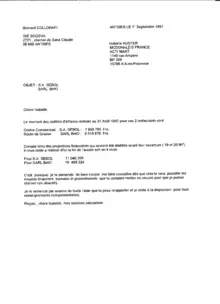
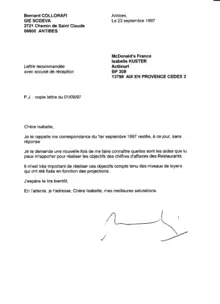
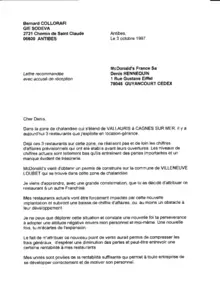
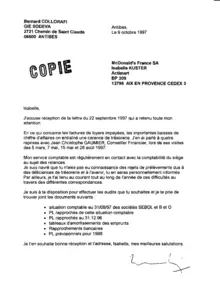
Registered letters between Collorafi, McDonald's and the lawyers.
16 Dec 1996
›
16 Dec 1996
›
10 Jan 1997
›
17 Jan 1997
›
27 Jan 1997
›
31 Jan 1997
›
12 Feb 1997
›
27 Mar 1997
›
25 Apr 1997
›
5 May 1997
›
27 Jun 1997
›
22 Jul 1997
›
1 Aug 1997
›
1 Sep 1997
›
22 Sep 1997
›
23 Sep 1997
›
3 Oct 1997
›
9 Oct 1997
›
20 Oct 1997
›
2 Feb 2002
›
3 Feb 2002
›
4 Feb 2002
›
5 Feb 2002
›
6 Feb 2002
›
20 Mar 2000
›
21 Mar 2000
›
22 Mar 2000
›
23 Mar 2000
›
Appeal to the Court of Cassation, applications, deliberations and statements of claims.
Press coverage of the case.
Legal texts, fundamental rights and legal scholarship gathered in the case file.
News
Background articles to put this case file in context: franchise law, the group's major court cases around the world, the case law.